


Did you know that a single collapsed shipping pallet of industrial plastic containers can cost businesses over $5,000 in wasted inventory, emergency cleanup fees, and delayed shipment penalties? Packaging damage, including deformation and pallet collapse, accounts for 1-2% of a manufacturer's total sales in many industries, with global losses from damaged goods reaching billions of dollars annually. In severe cases, a single failed pallet load can result in $5,000+ in product loss, cleanup, and downtime.For manufacturers, distributors, and logistics teams, plastic bucket bulging is never just a minor cosmetic defect. This common shipping issue triggers lid separation, liquid leakage, hazardous material spills, and full pallet instability, resulting in costly product waste, customer complaints, and disrupted supply chain schedules.
During transit, plastic packaging containers endure uneven stacking pressure, drastic temperature fluctuations, and continuous internal pressure buildup-especially when filled with liquid contents. These combined stressors easily warp bucket walls, causing bulging, deformation, and structural damage long before goods reach their destination. To help you eliminate logistics losses and optimize packaging safety, this guide thoroughly explains the core causes of plastic bucket deformation during shipping and shares practical, industrial-grade prevention solutions from Enlightening Plast.
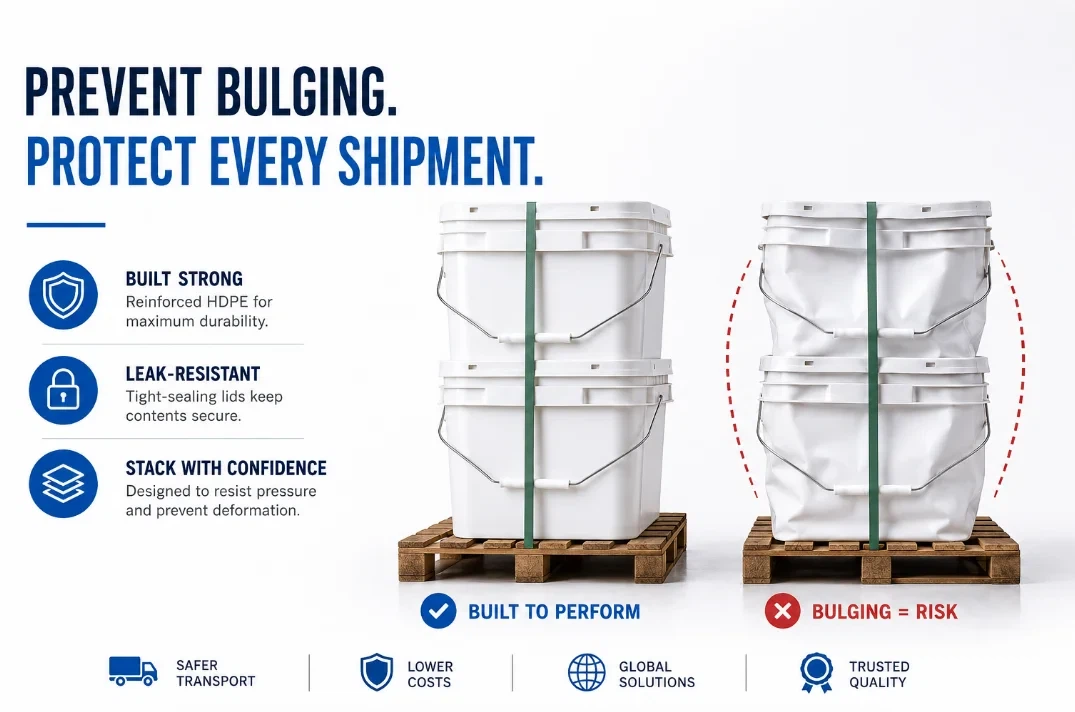
What Are The Primary Reasons Plastic Buckets Bulge During Shipping?
Shipping never goes perfectly. Buckets often deal with uneven weight, sudden temperature shifts, or pressure changes inside. These issues add up and can bend even strong plastic. Bulging shows up faster when buckets carry liquid. Knowing the causes helps you fix things before you load them for transport.
Plastic Bucket Bulging Causes and Prevention Methods
|
Cause of Bulging |
What Happens During Shipping |
How to Avoid It |
|
Improper stacking |
Uneven top pressure pushes bucket walls outward |
Stack buckets evenly and avoid pallet overhang |
|
Temperature changes |
Liquid and air pressure rise inside sealed buckets |
Use HDPE buckets and avoid long heat exposure |
|
Loose lid sealing |
Air or liquid movement increases wall stress |
Choose screw lids or tight snap-on lids |
|
Overfilling |
Liquid pressure pushes against the lid and side walls |
Follow recommended fill limits |
|
Mixed bucket shapes |
Uneven contact creates pressure points |
Use the same bucket size and shape on one pallet |
Pressure From Improper Stacking
In compression testing, 5-gallon plastic pails under stacked loads can lose up to 40% of their compression strength due to pallet deck board spacing and improper load distribution. Peak load capacity for properly supported pails typically ranges from 3,000–4,000 lbs per layer, dropping significantly with uneven stacking.
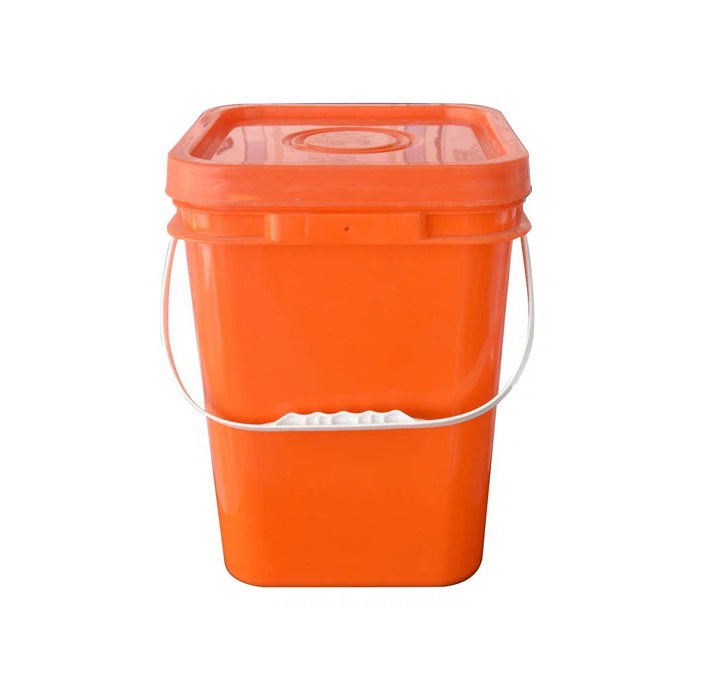
A 5 Gallon Square Bucket with Lid can take quite a load, but many layers still push the sides out. Reinforced walls and square corners help spread the weight. A small error in how you stack can turn a good load into damaged goods.
Temperature Fluctuations
Liquids expand when it gets hot. Even short heat in a truck or container raises pressure inside. HDPE buckets handle these swings better than thin plastic. They keep their shape when temperature jumps. For sensitive liquids, just a few degrees can matter.
According to Charles's Law, a temperature increase of just 10°C significantly raises the internal air pressure within a sealed container. For a liquid packaging plastic bucket, this compounding internal pressure can easily exceed the container's structural design limits. To mitigate this risk, it is highly recommended to reference IATA (International Air Transport Association) pressure testing standards, ensuring your industrial plastic bucket maintains its structural integrity across extreme temperature ranges from -40°C to +55°C.
Inadequate Lid Sealing
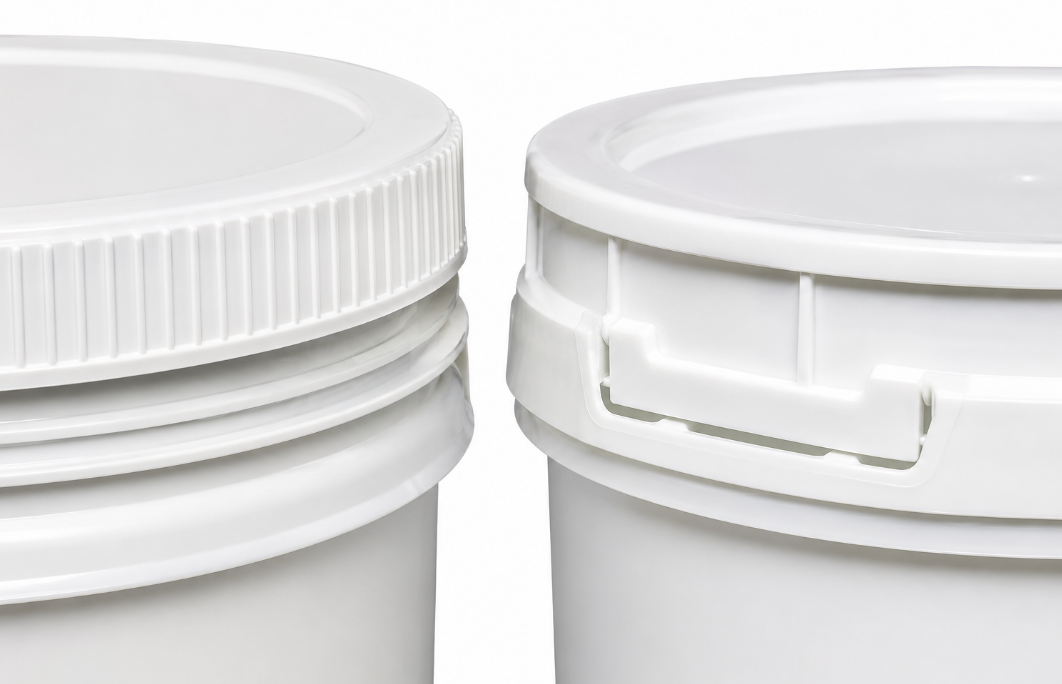
A loose lid lets air and liquid move around. This creates more stress on the walls and can cause bulging. Screw lids and snap-on lids fit tighter. Some have extra ridges that keep them flat under pressure.
How Do Material And Structural Factors Affect Bulging?
Material and design matter a lot. Thin plastic is cheap, but es not hold up well on long trips with heavy liquid. HDPE buckets stay more stable. Wall thickness, reinforced corners, and shape all help. A round bucket reacts to pressure differently than a square one.
Best Plastic Bucket Options for Different Shipping Needs
|
Shipping Need |
Recommended Bucket Feature |
Why It Helps |
|
Heavy liquid transport |
Thick-wall HDPE bucket |
Better resistance to pressure and impact |
|
Long-distance shipping |
Reinforced rim and base |
Reduces deformation during stacking |
|
Sealed chemical packaging |
Screw lid or tight snap-on lid |
Helps control leakage and pressure stress |
|
Palletized bulk shipping |
Square plastic bucket |
Saves space and improves stacking stability |
|
Sensitive contents |
Custom liner or insert |
Reduces liquid movement inside the bucket |
Material Strength And Flexibility
HDPE mixes strength with flexibility. It takes small bumps without staying bent. Thin plastic shows stress lines after just one trip. For long trips, you pick HDPE options.
Shape And Wall Reinforcement
Square buckets often work better when stacked. Reinforced walls stop the sides from bowing. The 5 Gallon Square Bucket with Lid is popular for big shipments. Its edges spread stress, so it does not bulge in the middle as round buckets do.
Lid And Rim Compatibility
Lid design helps too. A screw lid seals evenly and cuts back on air pockets. Compatible rims help keep the bucket shape steady under changing pressure.
How Can Packing And Handling Practices Minimize Bulging?
Even the best bucket fails if you pack it wrong. Weight balance, pallet use, and climate control all helfen. Bulging stays mostly preventable with proper handling.
Stacking evenly on pallets keeps stress spread out. Pallets should match the full base of each bucket. Overhang or uneven layers are usual suspects for distortion. The 5 Gallon Square Bucket with Lid keeps integrity because of its reinforced base.
Fill levels matter too. Overfilling pushes walls and lids. Underfilling lets liquid move inside and hits wall points. Use recommended fill limits for industrial liquids.
Environmental Controls During Transport
Extreme heat or cold changes pressure inside. Keeping temperature moderate or using ventilated containers helps. Even brief sun on a dockyard can expand liquid.
Can Customization Prevent Bulging During Shipping?
Some products need more than standard solutions. Custom shapes, reinforced lids, and inserts can reduce shipping problems. Customization lets you match the container to your content and conditions.
Custom Sizes And Shapes
Buckets made for specific volumes reduce wall stress. Square, rectangular, or even oval buckets can be ordered for unique needs. This helps you ship risky products without distortion.
Reinforced Lids And Seals
Stronger lids withstand higher pressure. Screw lids and snap-on lids work better for long trips.
Specialized Inserts And Liners
Inserts stabilize liquid. They stop shifting and reduce bulging. Some liners stop content from reacting with the bucket.
What Common Mistakes Lead To Bulging?
Some habits raise the risk. Overloading, mixing shapes, and skipping protective inserts often cause trouble. Watching these points helps cut extra costs later.
Overloading Stacks
Buckets have weight limits. Ignoring them can push the walls out or loosen the lids. Reinforced square buckets take more weight, but stacking too high still risks bending. A quick count or simple shipping software keeps the load within safe range.
Mixing Shapes And Sizes
Mixing round and square buckets creates uneven pressure. Keeping shapes the same spreads the stress more evenly and cuts bulging. Many shippers see fewer problems when they stay consistent on the same pallet.
Skipping Protective Inserts
Inserts or dividers limit movement during transit. Without them, liquids slosh and push the bucket out of shape. Even HDPE buckets hold up better when you add this step.
How Should Buckets Be Handled After Shipping?
Checking buckets right after they arrive saves time later. A quick look can stop small issues from growing.
Visual Inspection For Bulging
Look for rounded sides or gaps around the lid. Buckets with clear walls make it easier to spot minor changes. This matters most when the buckets will be used again or sold.
Proper Handling Practices
Store them upright. Avoid dragging. Use the right lift or cart for the size you have. Designs from Enlightening Plast make handling easier and cut stress on the body.
Storage Environment
Control temperature and humidity where you store the buckets. Stacking them in a hot room or leaving them in damp air can cause a small warp.
Why Choose Enlightening Plast Buckets For Shipping?
High-quality HDPE, reinforced walls, and reliable lids give most users peace of mind. Custom options let you match the bucket to your load and trip. The 3-gallon Plastic Bucket With Screw Lid and 5 Gallon Square Bucket with Lid show the kind of design that holds up during transport. Their website offers solutions for bulk orders, special liquids, and long-distance transport. For anyone shipping large volumes, choosing well-designed buckets cuts time and hassle.
FAQ
Q1: Why Do Plastic Buckets Bulge During Transport?
A: Stacking pressure, temperature swings, or a lid that does not seal well usually causes the sides to push out.
Q2: Can HDPE Buckets Reduce Bulging?
A: Yes. HDPE offers strength with some give, so it handles weight and heat changes without much warp.
Q3: How Should Buckets Be Stacked To Avoid Bulging?
A: Stack them evenly on pallets. Stay under the weight limit and use the same shape throughout. Reinforced square buckets spread the weight better.
Q4: Do Custom Lids Help With Deformation?
A: Custom screw lids and snap lids press evenly and keep air pockets small. This reduces pressure on the walls during the trip.
Q5: What Post-Shipping Checks Are Recommended?
A: Look for rounded sides or loose lids. Store them upright and keep room temperature and humidity steady to avoid further shape changes.


