Packaging Materials in Food Are Under Pressure - What's the Latest Industry Shift?
Regulatory changes are pushing food manufacturers to rethink their packaging choices, especially under stricter sustainability rules.
In early 2025, several U.S. states passed new Extended Producer Responsibility (EPR) laws, requiring packaging producers to manage and finance the disposal of their materials. These policies focus on minimizing landfill waste and promoting recyclable and reusable packaging. Similar frameworks are already being discussed in the EU and Canada, signaling a global trend.
For food manufacturers, these rules introduce not just legal obligations but real operational pressure. Every packaging material now needs to meet higher standards-not just in functionality, but also in recyclability, safety, and cost efficiency. Materials that are hard to recycle or require special treatment are becoming less practical, especially when scaled to industrial volumes.
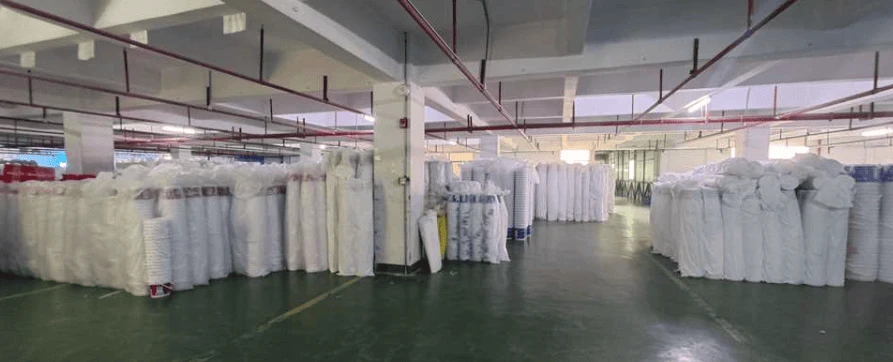
This is one reason why HDPE and PP plastics, already recognized as food-safe by FDA and EU standards, are gaining attention. In applications like food processing packaging, containers made from these materials-such as injection-molded plastic buckets-offer a balance of structural strength, sealing integrity, and recyclability. They are also easier to integrate into automated filling and logistics systems, making them a viable choice as compliance and efficiency goals converge.
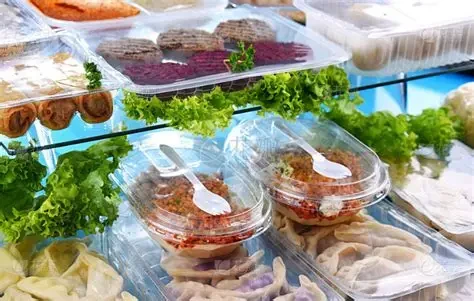
The 5 Major Types of Packaging Materials in Food
If you're comparing packaging options, it's worth knowing how different materials work across safety, logistics, and compliance needs.
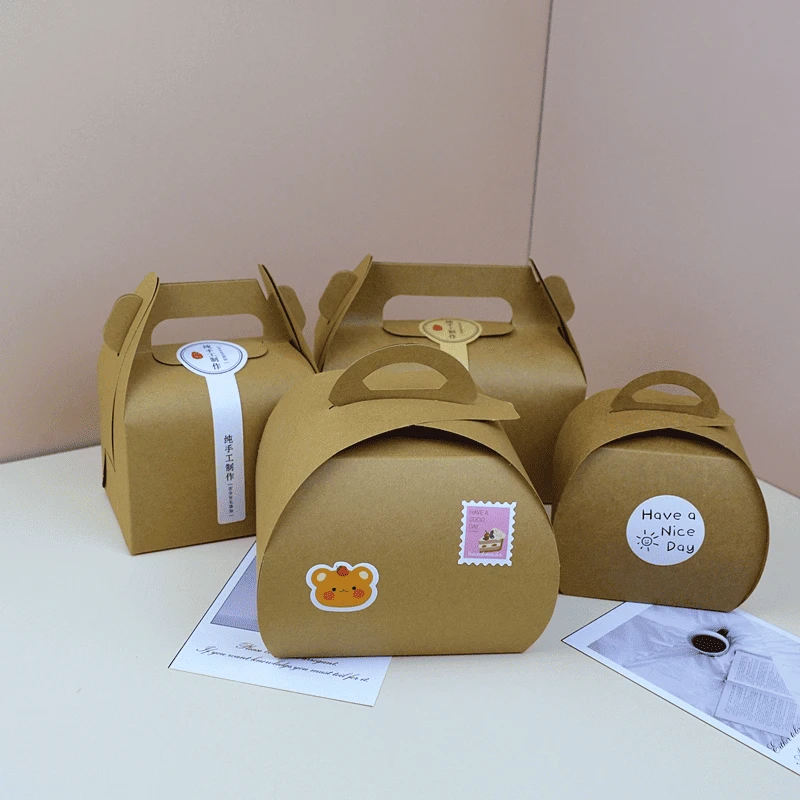
Paper & Cardboard: Cost‑Effective but Limited for Liquids or Wet Foods
Paper packaging works for certain food products, but not all environments can support it.
Paper-based materials are widely used for dry food items-think flour, cereals, or snacks. They're lightweight, easy to print, and relatively low-cost. In retail, many food boxes and display units are cardboard-based due to their simplicity and branding potential.
However, moisture and grease compromise paper integrity. Without special coatings, paper isn't ideal for wet foods or products requiring cold storage. This limits their use in manufacturing settings where hygiene and sealing matter.
Glass & Metal: Premium Materials with Logistics and Cost Trade‑Offs
These traditional materials still offer strong protection-but with added complexity in transport and usage.
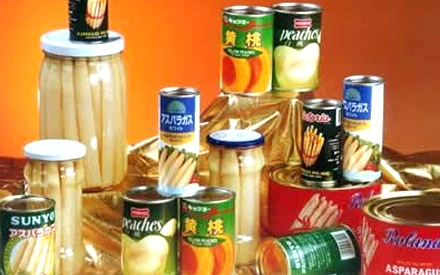
Glass provides excellent resistance to gases and acids, making it ideal for juices, oils, and pickled foods. It's inert and highly recyclable, but its fragility leads to breakage risks. Glass containers are also heavier, which raises freight costs and increases handling challenges.
Metal cans are durable and shelf-stable. They protect against oxygen, light, and temperature changes. However, they often require inner coatings to avoid food interaction, and they're less flexible for branding or size customization.
In large-volume industrial operations, these materials are slowly giving way to safer, more cost-efficient plastics that reduce risk during handling and transit.
Emerging & Bio‑Based Materials: Innovation but Not Yet Mainstream
New materials are promising, but few can yet scale in industrial food packaging.
Materials like cellulose film, PLA (polylactic acid), or starch-based composites are gaining interest for sustainability. They biodegrade faster and appeal to eco-conscious consumers.
Still, these materials often lack the strength, sealing ability, or stability needed for bulk storage or long-haul shipping. Many are sensitive to temperature and moisture, which complicates integration into cold-chain logistics or high-volume production lines.
For now, these are mostly used in niche segments or as secondary packaging, not as a replacement for primary containers like HDPE or PP buckets.

Plastic: Versatile, Customisable and Now More Food‑Safe Than Ever
Plastic remains the dominant choice in food packaging-but not all plastics serve the same purpose.
HDPE, PP, PET, and PVC are the most commonly used plastics for food contact. Each has unique properties. For example, HDPE and PP offer strong chemical resistance and are widely used in packaging oils, sauces, and processed foods. PET (polyethylene terephthalate) is lighter and provides good clarity, making it suitable for bottles and jars. PVC is more flexible, often seen in film or shrink wrap.
Plastic stands out for being lightweight, moldable, and moisture-resistant. It's compatible with automated filling systems and helps streamline industrial food processing. With proper selection and certification, it can meet food safety regulations across multiple markets.
That's why HDPE and PP buckets are a go-to container format for bulk sauces, marinades, dry mixes, and even brined vegetables. They hold their shape well, support sealing, and can be reused or recycled depending on the application.
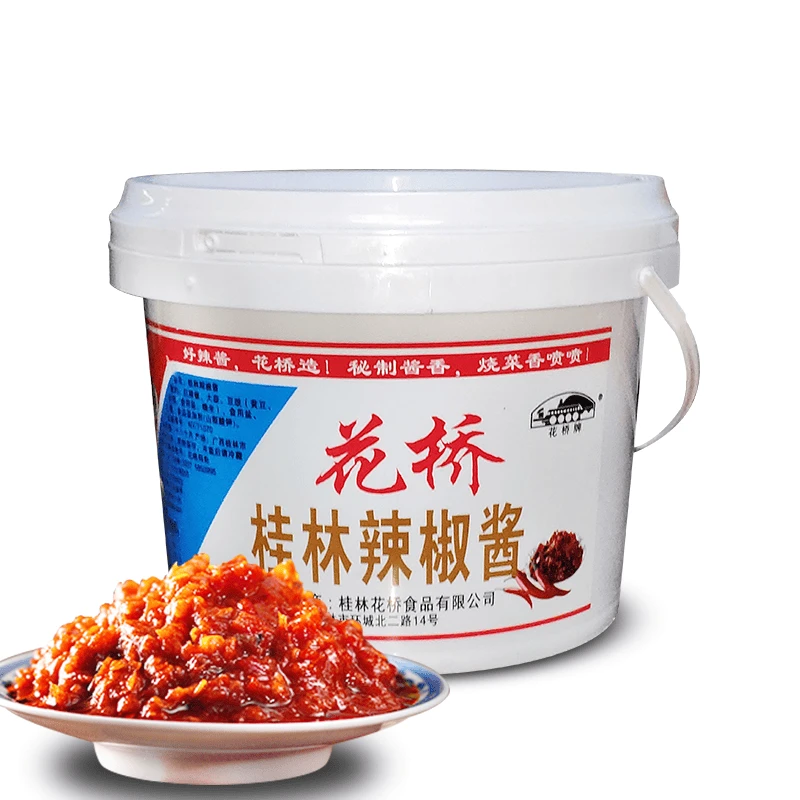
Why Food‑Grade Plastic Buckets Are Gaining Momentum in Food & Beverage Packaging
From production lines to retail shelves, plastic buckets are showing up more often-and there's a clear reason why.
In recent years, food manufacturers and packers have shown a growing preference for HDPE and PP plastic buckets in both processing and distribution stages. This shift isn't simply cost-driven. It reflects a broader move toward packaging that balances hygiene, compliance, and operational efficiency.
Food-grade plastic buckets made from HDPE or PP meet strict global standards such as FDA and EU 10/2011 for food contact. These materials are chemically stable, resistant to oils and acids, and safe under variable temperatures. When properly tested and certified, they offer manufacturers a reliable solution for a wide range of food applications-from sauces and condiments to powders, concentrates, and semi-liquid ingredients.
What makes plastic buckets stand out is not just compliance, but performance. A well-designed plastic bucket with a screw-on lid can offer tight sealing, stackability, and impact resistance. This lowers the risk of leakage during transport or storage. For filling and labeling, they integrate smoothly into automated systems, helping speed up production while maintaining hygiene standards.
End-users also play a role. Clear plastic buckets support product visibility on shelves and help brands build transparency-literally. Retailers appreciate the lighter weight, which reduces handling and freight costs. In cold storage and export logistics, stackable HDPE buckets outperform traditional containers in space usage and load security.
As a supplier, we've also seen increased demand for bulk container packaging that supports international shipping requirements. Buyers want assurance on raw material traceability, consistent sizing, clean surface finishing, and compatibility with pallet systems. Food-safe buckets meet these needs while keeping the packaging process efficient and scalable.

Round vs Square Plastic Buckets - Which Fits Your Food Packaging Scenario?
The shape of your container affects more than just appearance. It can shape your costs, workflows, and how your product shows up on the shelf.
In industrial food operations, square and round plastic buckets serve different roles. Choosing the right one depends on what you're packing-and how you're storing, shipping, or filling it. While both are made from food-grade HDPE or PP, their structure creates practical differences worth considering.
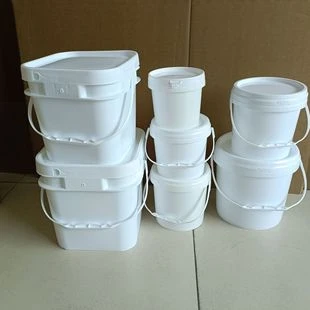
Square plastic buckets are designed for space efficiency. Their straight sides minimize dead space when stacked, especially in cold rooms or export pallets. This makes them ideal for thick food products like sauces, pastes, or marinated ingredients, where maximizing storage and volume matters. Flat panels also make it easier to apply labels or printing for retail presentation. With lids that lock securely, square buckets support stability during handling and stacking.
Round plastic buckets work better when flowability matters. Liquids such as dressings, syrups, and beverage bases pour more easily from curved walls. The lack of corners reduces residue and makes cleaning faster-important for reuse or hygienic refill cycles. They're also more compatible with automated dosing or lid-closing systems, thanks to consistent geometry and simple sealing lines.
Both shapes can be adapted for specific needs, but there's a growing preference in retail and food service for clear or thin-wall plastic buckets. These containers offer visibility, which builds trust with end users. Whether you're selling brined vegetables, condiments, or ready-made sauces, showing the product directly helps communicate freshness and quality. The reduced wall thickness also makes them lighter, which cuts transport weight and improves stacking performance in shelf displays.
So when deciding between round and square buckets, think beyond just shape. Consider your product's viscosity, filling method, labeling needs, and even how your brand wants to be seen. Shape is part of function-and function drives efficiency.
How to Align Your Packaging Strategy with Food‑Grade Plastic Buckets and Global Trends
What matters is not just choosing food‑safe materials, but making sure they match your product, market, and operational flow.
When it comes to selecting food packaging materials, fit matters more than form. Whether you're packing sauces, dry ingredients, or semi-fluid concentrates, the packaging must support your product's shelf life, filling temperature, and distribution environment. HDPE and PP buckets offer different levels of heat resistance and seal strength. If your filling line works above 80°C, you'll need plastic that won't deform under thermal stress.
Likewise, if you're shipping goods across long distances or in unstable temperatures, sealing performance and stack safety become key considerations.
Another factor is label presentation and traceability. If you require lot coding or private brand printing, ensure the bucket surface accepts thermal transfer or adhesive labels without peeling during cold storage or export. In the case of dry food packaging solutions, flat-wall square buckets can improve stacking and display space. Clear buckets, on the other hand, help build consumer trust, especially for pickled vegetables, nuts, or prepared side dishes.
To evaluate a packaging supplier, focus on a few critical areas:
1. Certification & Compliance
- Check for certifications like FDA, EU 10/2011, and ISO 9001
- Ensure the supplier meets global food-contact safety standards
2. Testing & Quality Assurance
- Ask if sample testing is available before mass production
- Confirm consistency in product quality over time
3. Lead Times & Logistics
- Evaluate average lead times and their reliability
- Short, predictable delivery cycles reduce supply chain risk
4. Export Packaging Standards
- Inquire about export packaging: pallets, cartons, or stretch film
- Proper packaging helps avoid transit damage and customs delays
5. Material & Supply Stability
- Stable sourcing of raw materials reduces batch variation and ensures long-term quality control
By narrowing your choices with these practical factors, your food packaging won't just meet compliance-it will support operational efficiency and long‑term scale.
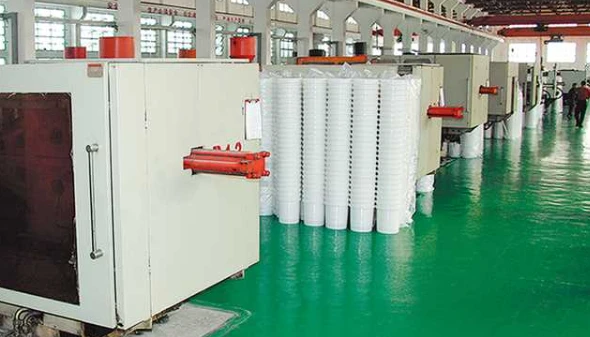
How to Choose the Right Food Packaging Material for Your Product
Each food category behaves differently during filling, storage, and transport. That's why packaging choices should match product properties-not just cost.
Liquid foods such as edible oils, syrups, and broths are often used in glass bottles or aluminum containers in retail because these materials support shelf visibility and stable placement in supermarkets. In large‑volume distribution, HDPE buckets are commonly applied due to their strength, ease of handling, and stable performance in bulk transport environments.
High‑viscosity sauces and pastes-like tomato concentrate, peanut butter, and cooking pastes-frequently rely on metal cans or multilayer pouches for retail portions. For food processors working with larger batches, PP buckets are widely used because they can withstand filling heat, support re‑closing, and maintain product hygiene across repeated handling cycles.
Dry ingredients such as flour, sugar, and powdered seasoning are often packed in paper sacks or PET jars for retail sales, helping reduce weight and simplify merchandising. In industrial storage and ingredient batching, HDPE or PP buckets provide moisture protection, tamper‑evident sealing, and clean stacking for warehouse operations.
Frozen foods-including seafood, dough, and pre‑cooked meals-commonly use PE film bags or EPS trays at retail for fast freezing and compact display. In cold‑chain warehouses, HDPE buckets support organized stacking, resist cracking at low temperatures, and help simplify bulk movement.
Ready‑to‑eat products rely heavily on thermoformed trays and sealed films in retail to maximize convenience and hygiene. In catering, central kitchens, and food‑service supply, PP buckets are often preferred for their easy handling, reclosure options, and suitability for repeated access during preparation.
The Best Packaging Material Supports Both Food Safety and Your Supply Chain Future
Your packaging choice is not just about today's product-it's also about tomorrow's logistics and compliance goals.
Every food product requires a different material strategy. Some products need barrier properties or precise temperature resistance, while others benefit from re-closable bulk packaging. That's why no single packaging type fits every use case. Still, many food manufacturers now turn to HDPE and PP plastic buckets because they offer a flexible balance-meeting safety standards, streamlining storage and transport, and supporting cost-effective operations at scale.
If your team is considering ways to optimize packaging across multiple SKUs or production lines, exploring customized bucket packaging may be the most practical step forward. From lid types and printing to volume and pallet fit, a Enlightening Plast-backed solution can better align with your internal workflow and compliance roadmap. Contact us now.