


Plastic buckets are useful around the house, but many get thrown away too soon. Choosing a durable, reusable bucket can help reduce waste and save money.
Sustainable plastic buckets are everyday containers made from durable, reusable, or recyclable materials such as HDPE and PP. They are useful for gardening, household cleaning, storage, and DIY projects. Choosing the right bucket and reusing it when possible can help reduce plastic waste and the need for frequent replacements.
As a plastic bucket manufacturer, I believe sustainability should start with how we use a product every day. A strong plastic bucket can do much more than hold water. It can carry gardening tools, organize household supplies, and serve new purposes after its original use. In this article, I'll share practical ways to use sustainable plastic buckets, explain how to choose suitable ones, and show how to get more value from each bucket.
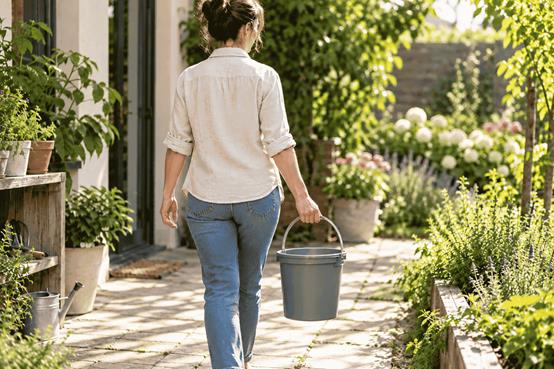
What Makes Plastic Buckets Sustainable?
Not every plastic bucket is equally sustainable. Some use recycled materials but break easily, while others are strong enough for repeated use. Understanding these differences helps us avoid unnecessary waste.
Sustainable plastic buckets combine durable materials, reusable designs, and recycling potential. HDPE and PP are common choices because they offer useful strength and can be recycled. Buckets made with suitable recycled plastic can also reduce the demand for virgin materials. Their environmental impact depends on how they are made, used, and disposed of.
Durable and Reusable Materials
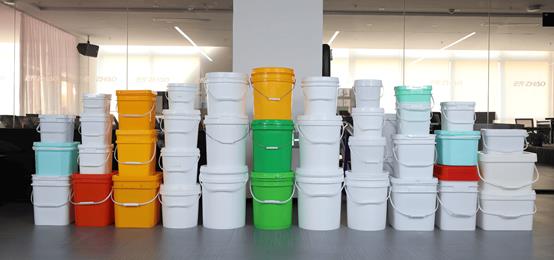
HDPE and PP are two materials we commonly use in plastic bucket manufacturing. HDPE offers good toughness and impact resistance, while PP provides a rigid and lightweight structure. Both can work well for everyday tasks when the bucket is designed for the intended load.
I usually recommend focusing on durability before looking at recycled content. A bucket with a strong handle, stable base, and suitable wall thickness can withstand repeated carrying and storage. This helps avoid replacing the bucket after only a few uses.
Recycled and Recyclable Plastic
Some plastic buckets contain recycled HDPE or PP, which can reduce the need for new plastic resin. I often recommend recycled materials for suitable non-food uses, such as gardening and general household storage.
HDPE and PP are also recyclable, but local recycling facilities may not accept every bucket. I suggest checking the material identification code and local collection rules before disposal. For everyday use, choosing a bucket that lasts longer and can be recycled when no longer usable is a practical starting point.
How Can You Use Sustainable Plastic Buckets Every Day?
Many households use separate containers for gardening, cleaning, and storage. This can take up space and create unnecessary purchases when a suitable reusable bucket could handle several tasks.
Sustainable plastic buckets can be used for gardening, household cleaning, home storage, and DIY projects. Their reusable design makes them practical for carrying supplies, organizing household items, and handling everyday materials. Choosing the right size and structure helps make each task easier and extends the bucket's useful life.
Gardening and Planting
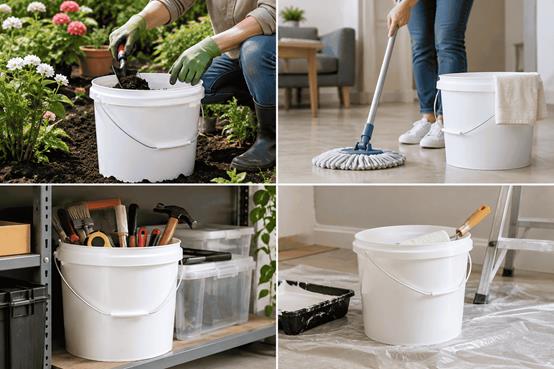
Plastic buckets are useful for carrying soil, collecting weeds, mixing potting materials, and storing gardening tools. I often recommend buckets with strong handles because wet soil and garden waste can become heavy. A durable HDPE bucket can be a practical choice for repeated outdoor work, provided its load capacity suits the job.
Old plastic buckets can also become planters. If the bucket previously held safe materials, you can add drainage holes to the bottom and use it for flowers or herbs. For outdoor use, I suggest choosing UV-resistant plastic or keeping the bucket away from strong sunlight when possible. This helps reduce cracking and fading over time.
Household Cleaning
Cleaning is one of the most common daily uses for plastic buckets. We use them to carry water, move cleaning supplies between rooms, and wash household items. A bucket with a comfortable handle and stable base makes these tasks easier, especially when it needs to be moved frequently.
For smaller cleaning jobs, I usually recommend a 5L bucket instead of a large container. Our round plastic buckets include different capacities suitable for household cleaning and other everyday applications.
I also recommend choosing a smooth inner surface that is easy to rinse. For storing cleaning products, check that the plastic and lid are compatible with the contents. A bucket suitable for soap and water may not be suitable for concentrated chemicals.
Home Storage and Organization
Plastic buckets are practical storage containers for toys, tools, laundry supplies, and small household items. They are easy to move, and fitted lids can help protect stored contents from dust. I often suggest using different bucket sizes for different items instead of choosing one large size for everything.
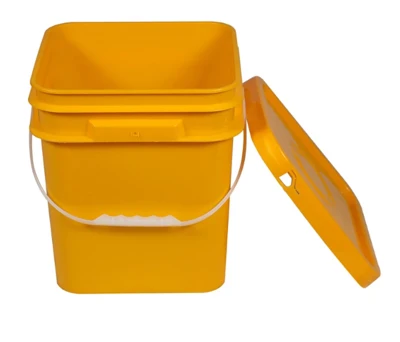
Shape matters when storage space is limited. Round buckets are convenient for carrying, while rectangular plastic buckets fit more neatly against walls and inside shelves. For products that need to be stored in organized rows, a rectangular design can make better use of available space.
A reusable bucket can also help keep seasonal items together. Instead of buying new storage boxes, you can use clean, empty buckets for small tools, craft supplies, or household accessories.
DIY and Home Projects
I often see plastic buckets used for painting, decorating, and small home improvement projects. They can hold tools, screws, brushes, and other materials while you work. A sturdy bucket also makes it easier to carry supplies between different areas of the house.
For projects involving paint or building materials, I recommend choosing a bucket that is compatible with the contents and strong enough for the expected weight. Our plastic round painting buckets are examples of containers designed for painting-related applications.
After a project, a bucket can often be used again if it is safe and practical to clean. However, containers with leftover paint, solvents, or other hazardous substances must be handled according to local waste rules.
What Are the Benefits of Reusable Plastic Buckets?
Buying the cheapest bucket may save money at first, but frequent replacements create extra costs and waste. A bucket that stays useful for longer can offer better value in daily life.
Reusable plastic buckets can help reduce household waste, lower replacement costs, and simplify everyday tasks. Their durable construction allows repeated cleaning, carrying, and storage. When used and maintained properly, one suitable bucket can serve different purposes over time, reducing the need to buy new containers for every task.
Reduce Everyday Plastic Waste
I believe the easiest way to reduce bucket waste is to avoid throwing away a usable container. A bucket that finishes its original job may still be suitable for organizing household tools or collecting garden waste. This extends the useful life of the plastic already produced.
For example, a clean household storage bucket can later hold brushes, cleaning cloths, or gardening accessories. The important point is to consider its previous contents before choosing a new use. Buckets that have contained hazardous substances should not be repurposed for food or drinking water.
Save Money on Replacements
A reusable bucket may cost more than a thin, low-quality container, but it can reduce the need for frequent replacements. I always encourage buyers to examine the handle, rim, and base because these areas often experience the most stress during daily handling.
For businesses that purchase buckets in larger quantities, durability can also affect long-term packaging costs. A suitable bucket can reduce damage during handling and support repeated use where the application allows it.
Easy to Clean and Use Again
Most household plastic buckets have smooth surfaces that are easy to rinse after ordinary use. HDPE and PP also resist many common household substances, although chemical compatibility should always be checked when needed.
I recommend cleaning buckets after each use and drying them before storage. Regular cleaning helps prevent dirt buildup and keeps reusable containers ready for their next task.
How Do You Choose the Right Plastic Bucket for Daily Use?
A bucket that works well for gardening may not be convenient for indoor cleaning. Choosing the wrong size, material, or handle can make simple tasks harder.
To choose a plastic bucket for daily use, consider its capacity, material, handle strength, and lid design. Smaller buckets suit light cleaning and storage tasks, while larger buckets can hold gardening supplies or bulky materials. HDPE offers toughness, PP provides rigidity, and a suitable lid helps protect stored items.
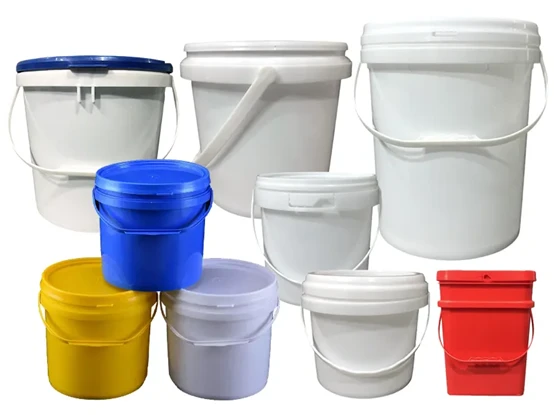
Choose a Suitable Size
I recommend matching bucket capacity to the task rather than choosing the largest available size. Small buckets are easier to carry and store, while larger models are useful when more capacity is needed.
|
Bucket Capacity |
Common Daily Uses |
My Recommendation |
|
1–3L |
Small tools, craft supplies, household items |
Suitable for light storage |
|
4–5L |
Cleaning, washing small items, gardening tools |
Easy to carry and store |
|
8–10L |
Household cleaning, soil, laundry supplies |
Good balance of capacity and handling |
|
15–20L |
Garden waste, larger tools, bulky storage |
Check handle strength and filled weight |
These sizes are general guidelines. I recommend checking the actual bucket dimensions because two buckets with the same capacity may have different shapes.
Check the Material and Durability
For regular carrying and outdoor utility work, I often consider HDPE because of its toughness. PP is useful when a rigid shape and lighter construction are important.
I also look at the wall thickness, handle connections, and base structure. A heavier bucket is not always stronger, so I recommend checking how the whole design performs rather than comparing weight alone.
If you plan to use the bucket outdoors, look for a material grade with suitable UV resistance. For food storage, choose a product with the required food-contact documentation.
Look for Practical Handles and Lids
A good handle should feel comfortable and remain securely attached when the bucket carries its intended load. I suggest checking the handle connection points because repeated lifting can place considerable stress on these areas.
Lids are useful for keeping dust away from stored items and reducing accidental spills. However, not every lid provides a watertight seal. I recommend checking the closure design if you plan to store or transport liquids.
For people who want a different shape, our oval plastic buckets offer another option for carrying and organizing suitable materials.
How Should You Care for and Recycle Plastic Buckets?
Even durable plastic buckets can wear out faster if they are not handled properly. Regular cleaning, careful storage, and proper recycling can help reduce unnecessary waste.
To make plastic buckets last longer, clean them after use, avoid excessive heat, and check handles and lids regularly. When a bucket becomes damaged or unsafe to use, check its material identification code and follow local recycling guidelines. Proper care helps extend its service life and reduces unnecessary replacements.
How to Extend the Life of Plastic Buckets
I recommend rinsing plastic buckets after everyday use and drying them before storage. Dirt and chemical residues can affect the container over time, especially when cleaning products remain inside for long periods.
I also suggest keeping buckets away from unnecessary heat and prolonged direct sunlight. Some plastics can become brittle or lose strength after extended exposure to UV light. When carrying heavy materials, always check that the handle and base are in good condition. These simple habits help keep buckets useful for longer.
How to Recycle Plastic Buckets Properly
When a plastic bucket is cracked or no longer safe to use, recycling may be a better option than throwing it away. HDPE buckets usually carry recycling code #2, while PP buckets carry code #5.
Before recycling, empty the bucket and follow local instructions for cleaning and separating parts. Some recycling facilities accept rigid plastic buckets, while others only collect certain packaging types. I recommend checking your local recycling program before disposal.
Conclusion
We believe sustainable plastic buckets should make everyday tasks easier while reducing unnecessary waste. Choosing durable materials, reusing containers, and recycling responsibly can help extend their value.
About Enlightening Plast
At Enlightening Plast, we have over 20 years of manufacturing experience in China. We supply plastic buckets and packaging solutions to brands, wholesalers, and distributors worldwide. Our production facilities include more than 60 injection molding and rotational molding machines, supporting different product sizes and designs.
We offer HDPE and PP plastic buckets for household products, food packaging, cleaning supplies, and other applications. Our customization options include colors, logos, and selected bucket designs to meet different business requirements. We focus on reliable materials, consistent production quality, and practical packaging solutions that support long-term use.
Looking for reusable plastic buckets for your business?Contact us to discuss available sizes, materials, customization options, and wholesale orders.
Frequently Asked Questions
Q: Are Plastic Buckets Safe For Everyday Use?
A: Yes, plastic buckets made from suitable materials can be used for many household tasks. I recommend checking material compatibility and choosing food-contact-compliant buckets when storing food.
Q: Can I Reuse Plastic Buckets For Gardening?
A: Yes, clean plastic buckets can hold soil, gardening tools, or plants. I recommend adding drainage holes for planting and avoiding buckets that previously held hazardous chemicals.
Q: What Size Plastic Bucket Is Best For Household Cleaning?
A: I usually recommend a 4–10L bucket for common household cleaning tasks. The right size depends on how much water or equipment you need to carry.
Q: Can Old Plastic Buckets Be Recycled?
A: Many HDPE and PP buckets can be recycled where suitable facilities are available. I recommend checking your local recycling rules before disposal.


