


What's the Difference Between a Pail and a Bucket?
The terms "pail" and "bucket" refer to two different types of containers - and in commercial purchasing, knowing which one you actually need makes the sourcing process a lot simpler.
A pail is a sealed container designed for storage and transport.
A bucket is an open-top utility container for short-term manual use.
The core difference is not size or material - it is design intent. For industrial purchasing, choosing the wrong type can mean non-compliance, product loss, or a rejected shipment.
This article focuses on plastic pails and buckets, which cover the vast majority of commercial and industrial packaging needs. If you work in food, chemicals, paint, agriculture, or daily care - this guide is for you.
What Is the Real Difference Between a Pail and a Bucket?
The answer comes down to one thing: purpose.
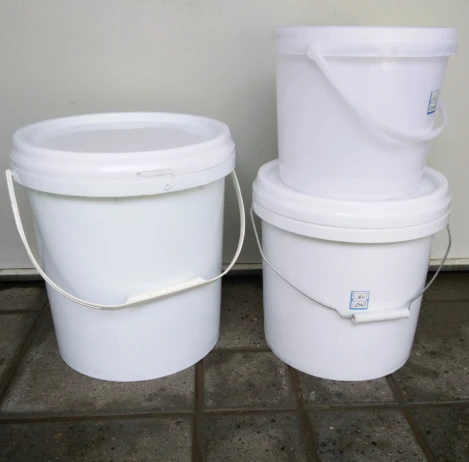
A pail is built to hold product securely from the moment it is filled to the moment it reaches the end user. It has a compatible lid, thicker walls, and in many cases, the structural integrity to meet international shipping certifications.
A bucket, on the other hand, is designed for convenience - easy to carry, easy to access, and easy to rinse out. Most buckets are open-top and sold without a lid.
To put it simply: if you are packaging a product, you need a pail. If you are carrying water across a job site, a bucket does the job.
| Feature | Plastic Pail | Plastic Bucket |
|---|---|---|
| Primary Purpose | Sealed storage and transport | Short-term utility use |
| Lid / Closure | Designed with compatible lid | Open-top; lid optional |
| UN Certification | Eligible when tested with correct lid | Generally not eligible |
| Wall Construction | Heavier, built for stacking and shipping | Lighter, built for portability |
| Typical Size Range | 0.5 – 13 gallons (approx. 2 – 50 liters) | 0.5 – 2.5 gallons (approx. 2 – 10 liters) |
| Common Applications | Chemicals, food, paint, industrial goods | Cleaning, farming, construction tasks |
The pail vs bucket difference matters most at the sourcing stage. Once a buyer understands this distinction, the rest of the selection process becomes much more straightforward.

Looking for the Right Plastic Pail or Bucket?
Not sure which container fits your product? Contact our team to discuss your application, capacity, material, and lid requirements.
Does the Lid Actually Make That Much of a Difference?
For industrial use, the lid is not an accessory - it is what makes a pail a pail.
There are three lid types buyers encounter regularly, and each serves a different purpose.
An airtight lid creates a sealed environment that prevents oxidation and keeps contaminants out - essential for liquid foods, oils, and certain chemicals.
A tamper-evident lid features a one-time seal that shows clearly whether a container has been opened, which is a baseline requirement in food and pharmaceutical supply chains.
A tight-head or screw-on closure is integrated into the pail body itself, making it fully sealed on all sides - the standard format for liquid products shipped under pressure or over long distances.
Handle design is also worth noting.
A flat-grip handle distributes the weight of a full container across the palm rather than concentrating it on the fingers, which reduces fatigue during repeated handling.
In food-contact environments, all-plastic handle attachments are preferred over metal ones - metal joins are difficult to clean thoroughly and can corrode over time, creating a hygiene risk.
Is a Tamper-Evident Lid Worth the Extra Cost?
For most retail and food applications, it is not optional - it is expected.
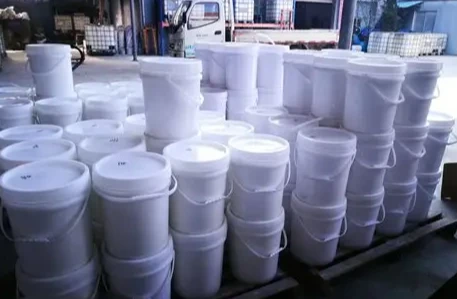
A tamper-evident seal does two things at once. It protects the end consumer from receiving a product that may have been opened or contaminated, and it protects the brand by making that protection visible.
For condiment, sauce, and pharmaceutical buyers, this level of assurance is a standard part of the product spec. For industrial products like adhesives or coatings, an airtight plastic bucket slows oxidation and extends shelf life - which directly reduces waste and return claims.
Does a UN-Rated Pail Make a Difference for Hazardous Goods?
If you ship regulated materials, this is non-negotiable.
A UN-rated pail has passed standardized tests - including drop, stack, and leakproof testing - that verify it can safely contain and transport hazardous materials such as chemicals, solvents, and certain industrial fluids.
The UN marking on the container indicates the material type, performance rating, and maximum approved fill weight or volume. Both the pail body and the lid must carry matching UN certification - one without the other does not qualify. Buyers sourcing containers for paints, adhesives, cleaners, or agricultural chemicals should verify this before placing any bulk order.
HDPE or PP - Which Plastic Should You Choose?
The material you choose should follow the product inside, not personal preference.
Before getting into plastics, it is worth mentioning metal.
Steel pails are still used in specific applications - solvent storage, certain industrial coatings, and products that require grounding against static discharge. But for most buyers today, metal is heavier, more expensive to ship, and prone to rust if the interior coating is compromised.
Plastic has largely replaced it across food, chemical, and consumer goods packaging.
Most plastic pails and buckets on the market are made from either HDPE (high-density polyethylene) or PP (polypropylene). Both are durable and widely available, but they perform differently depending on what you put in them and how you fill them.
HDPE is the more common choice for industrial applications. It resists a broad range of chemicals - acids, bases, solvents, and cleaning agents - and handles impact well, which matters when pails are dropped or stacked repeatedly in a warehouse. Most industrial plastic buckets and standard chemical storage pails are HDPE. If your product is filled and stored at room temperature, an HDPE bucket is almost always the practical default.
PP becomes the better choice when heat is involved. PP tolerates hot-fill processes above 100°C, which is a standard requirement in condiment, sauce, and edible oil packaging. It is also slightly lighter than HDPE, which adds up when you are shipping large volumes internationally. If your product goes into the container hot, PP is the material you need - and it is worth confirming this spec with your supplier before placing an order.
Learn More About HDPE and PP Materials >>
Are All Plastic Pails Food-Safe?
No - and this is one of the most common sourcing mistakes buyers make.
Both HDPE and PP can be manufactured to food-grade standards, but not every pail on the market carries that certification. Food-grade certification means the material has been tested and confirmed to meet food-contact safety regulations - such as FDA compliance in the United States or EU food contact material regulations in Europe.
A pail can look clean and odorless and still fail food-contact requirements if the resin used was not food-grade. When sourcing a plastic pail for food storage or any direct food-contact application, always ask for documentation. Do not assume.
Round or Square - Does the Shape of a Pail Actually Matter?
Shape is the dimension most buyers overlook - but it directly affects usability, logistics cost, and how your product presents on a shelf.
Round pails are the industrial standard for good reason. They are compatible with most pumps, filling machines, and mixing equipment without modification. The curved interior also means there are no sharp corners where product gets trapped - for viscous goods like paint, adhesive, or thick sauce, this matters because leftover product in corners is wasted product. A round plastic bucket is also easier to tip and pour cleanly, which reduces mess on high-volume production floors.
Square pails solve a different problem: space. Unlike round pails, which leave gaps when stacked on a pallet, square plastic pails fit flush against each other with no wasted space. For buyers who store or ship large quantities, this translates into meaningful logistics savings per unit. Square pails also offer more flat surface area for labels, which gives branded retail products better shelf presence. If you are packaging for retail display or working with tight warehouse capacity, the square format is worth considering.
Beyond shape, transparency is another practical dimension that separates certain pail types from standard opaque containers. A clear plastic pail with lid allows warehouse staff to check fill levels and product condition at a glance, without breaking the seal - useful for QC checks and retail display alike. Transparent pails are typically thin-wall PP, lighter than standard opaque pails, and best suited for retail packaging, daily care, and food display rather than heavy industrial storage.
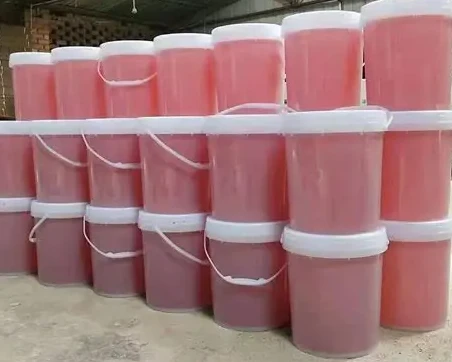
On sizing: pails generally range from 0.5 to 13 gallons (approximately 2 to 50 liters), while most buckets stay under 2.5 gallons. A 5 gallon plastic pail (approximately 19 liters) is the most widely used industrial format, and both round and square designs are available across this full size range.
Learn More About Custom Plastic Pails >>
How Do You Choose the Right One for Your Application?
Start with one question: does the contents need to be sealed for transport or storage?
If the answer is yes, you need a pail - and from there, the right material, shape, and certification follow from what the product actually requires. If the answer is no, a bucket may be sufficient.
The mistake most buyers make is choosing a container based on price or availability first, and then trying to make the compliance and functional requirements fit afterward.
Here is a quick reference by application:
| Application | Recommended Container |
|---|---|
| Chemical & industrial fluids | HDPE round pail, UN-rated if hazardous |
| Food & condiment (hot-fill) | PP pail, food-grade certified |
| Sauce, oil, jam (retail) | Transparent PP pail with tamper-evident lid |
| Paint & coating | HDPE pail, tight-head or open-head with secure lid |
| Agriculture & cleaning | HDPE round pail or open-top bucket |
| Branded packaging / display | Square pail or transparent pail with label space |
Before finalizing any bulk order, confirm two things with your supplier: that the material certification matches your target market's requirements, and that the pail dimensions are compatible with your existing filling and capping equipment.
These are the two most common points where a sourcing decision that looked right on paper turns into a production problem.
Conclusion
Pails and buckets look similar but serve different purposes. Knowing the difference - and choosing the right material, lid, and shape - protects your product, keeps you compliant, and saves you from costly rework.
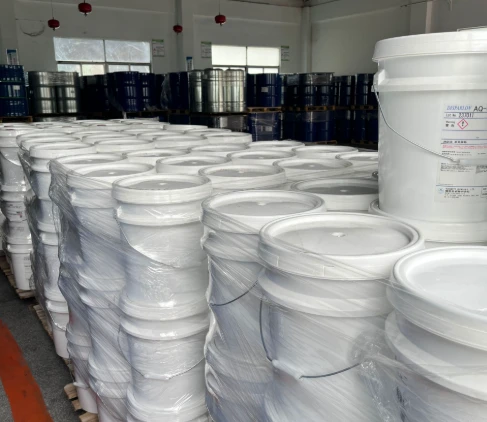
If you are looking for a reliable plastic pail manufacturer for bulk or custom orders, we would be happy to help you find the right specification. Contact us to discuss your requirements, and our team will get back to you within one business day.


