


When it comes to storage and handling of various substances, rectangular plastic buckets have become a popular choice due to their practical shape and versatility. One of the most frequently asked questions by our customers, who range from industrial users to household consumers, is whether these rectangular plastic buckets are resistant to chemicals. As a leading supplier of rectangular plastic buckets, we are well - versed in the properties of our products and are eager to share detailed insights on this topic.
Understanding the Basics of Plastic Materials
Rectangular plastic buckets are typically made from different types of plastics, each with its own chemical resistance profile. The most common plastics used in manufacturing these buckets are High - Density Polyethylene (HDPE), Polypropylene (PP), and Polyvinyl Chloride (PVC).
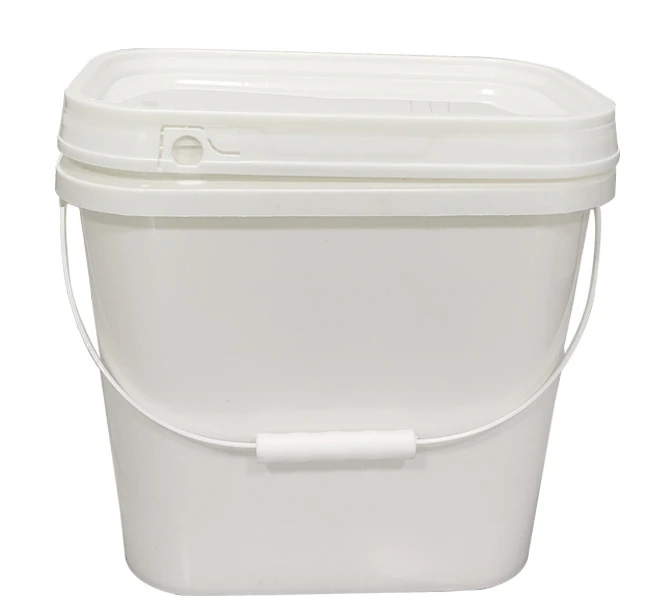

HDPE is a thermoplastic polymer known for its high strength - to - density ratio. It is widely used in manufacturing rectangular plastic buckets because of its excellent chemical resistance to many acids, bases, and salts. For instance, it can withstand the corrosive nature of mild sulfuric acid solutions, which are commonly used in battery maintenance and some industrial cleaning processes. HDPE buckets are also resistant to most organic solvents, making them suitable for storing a wide range of substances. Our 2 Quart Plastic Rectangular Container With Handle is often crafted from HDPE, providing reliable storage for various chemicals in small - scale applications.
Polypropylene (PP) is another popular choice. It has good resistance to many chemicals, especially at room temperature. PP is more resistant to high temperatures compared to HDPE, which makes it suitable for storing substances that may generate heat during storage or handling. It is also resistant to many types of detergents and cleaning agents, which is why our Rectangular Mop Bucket is often made from this material, as it can safely hold cleaning solutions without being degraded.
Polyvinyl Chloride (PVC) has a different chemical resistance characteristic. It is resistant to some acids and alkalis but may be affected by certain organic solvents. PVC is more rigid than HDPE and PP, which gives it an advantage in applications where structural integrity is crucial. Our Rectangular Window Cleaning Bucket sometimes uses PVC due to its ability to hold window - cleaning solutions that usually contain a mixture of water, alcohol, and detergents.
Factors Affecting Chemical Resistance
However, it is important to note that the chemical resistance of rectangular plastic buckets is not absolute. Several factors can influence how well a plastic bucket can withstand the effects of chemicals.
- Concentration of the Chemical: Higher concentrations of chemicals are generally more corrosive. For example, a low - concentration acetic acid solution may not cause any damage to an HDPE bucket, but a highly concentrated solution can gradually degrade the plastic over time.
- Temperature: Elevated temperatures can accelerate chemical reactions and reduce the chemical resistance of plastics. A plastic bucket that can safely store a particular chemical at room temperature may fail if the temperature rises significantly. For instance, some plastics may become more permeable to chemicals at high temperatures, leading to leakage or contamination.
- Exposure Time: Prolonged exposure to chemicals can also have a negative impact on the plastic. Even if a plastic has good initial chemical resistance, continuous contact with a chemical over months or years can lead to degradation, such as cracking, discoloration, or loss of strength.
Testing and Certification
To ensure the quality and chemical resistance of our rectangular plastic buckets, we conduct a series of rigorous tests. These tests simulate real - world conditions, including exposure to different chemicals at various concentrations and temperatures for extended periods.
We also adhere to international standards and certifications. For example, our products comply with the relevant regulations of the Food and Drug Administration (FDA) when it comes to food - grade applications. This means that our buckets can be safely used for storing food - related substances without the risk of chemical contamination.
Applications and Chemical Compatibility
Our rectangular plastic buckets find applications in a wide range of industries, each with its own set of chemical requirements.
- Industrial Cleaning: In industrial cleaning, our buckets are used to store and transport various cleaning agents, such as degreasers, disinfectants, and detergents. HDPE and PP buckets are well - suited for this purpose as they can resist the chemicals commonly found in these cleaning products.
- Agriculture: In the agricultural sector, our buckets are used to store fertilizers, pesticides, and herbicides. These chemicals can be highly corrosive, so we recommend using plastic buckets with appropriate chemical resistance. For instance, certain pesticides may require HDPE buckets due to their strong chemical nature.
- Food and Beverage: For the food and beverage industry, we offer food - grade rectangular plastic buckets. These buckets are made from materials that are safe for contact with food and are resistant to common food - related acids, such as citric acid in juices and lactic acid in dairy products.
Conclusion
In conclusion, rectangular plastic buckets can be resistant to chemicals, but the level of resistance depends on the type of plastic, the nature of the chemical, concentration, temperature, and exposure time. As a reliable supplier of rectangular plastic buckets, we have a deep understanding of these factors and can provide you with the right product for your specific chemical storage needs.
If you are in the market for rectangular plastic buckets and need more information about their chemical resistance or other product features, please feel free to contact us for a detailed discussion. We are always ready to assist you in making the best choice for your application.
References
- "Handbook of Plastic Materials and Technology" by Irvin I. Rubin
- "Plastic Product Design" by Donald V. Rosato, Dominick V. Rosato, and Mark G. Rosato
- Industry standards and regulations related to plastic containers and chemical storage.


